Blindsided

Have you ever been driving merrily along when out of nowhere, a car smashes right into you? I have. I was the front-seat passenger in a car that was hit on my side—in fact, for a split second, I saw what was coming and yelled, “We’re going to get hi…!”

WHAM!
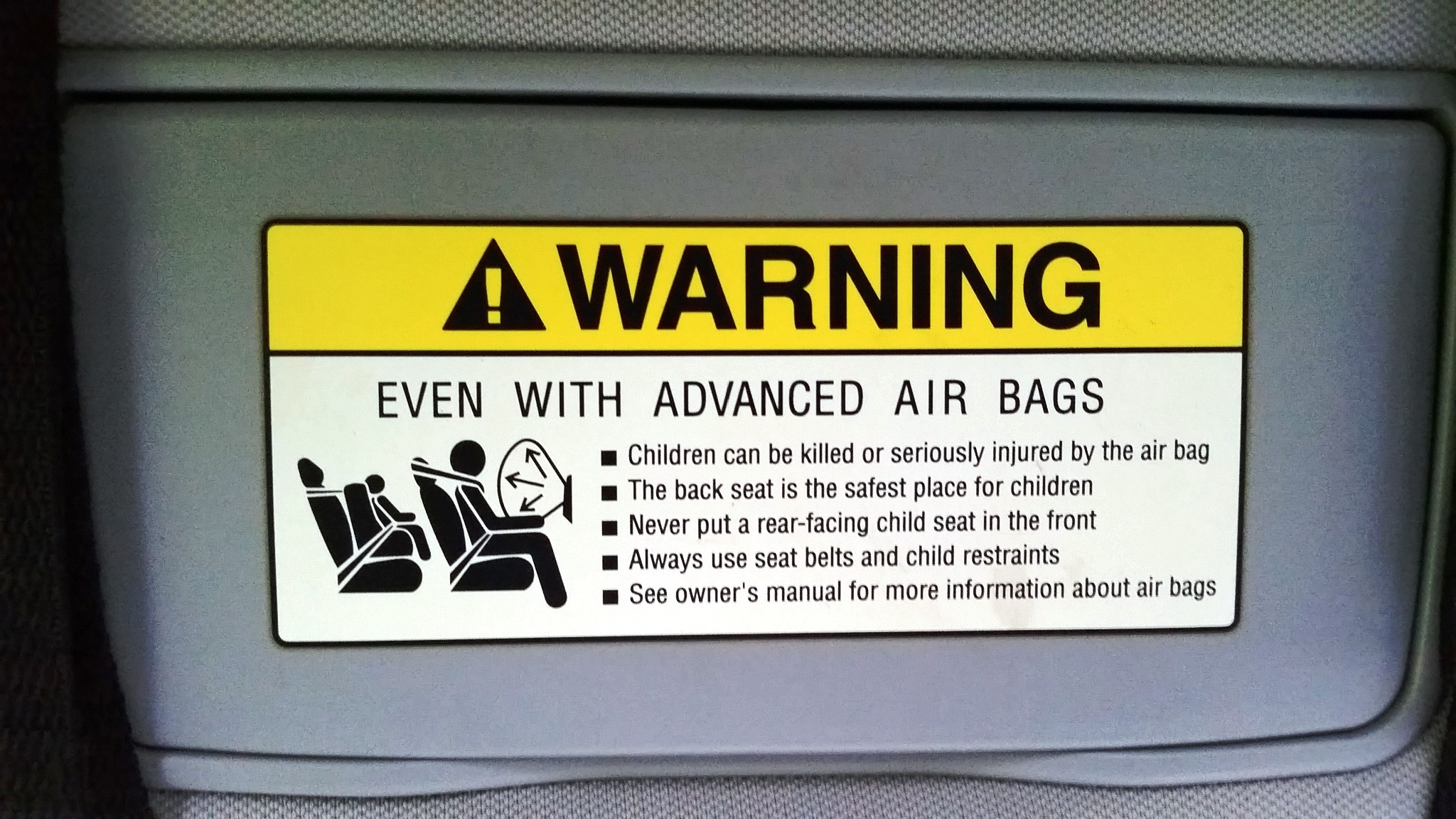
 

warning


Thankfully the impact was just behind my door, but we were propelled through the intersection—doing a huge donut and landing yards away. My head slammed into the window, but mercifully the glass didn’t shatter.

The whole experience left me shaken and in a daze.

That’s what getting blindsided can do to you.

It’s like when an anvil falls on Wile E. Coyote’s head and the little birdies tweet around him while he tries to re-inflate and shake off his stupor.

Rarely do you get a glimpse of it heading toward you (as I did with the car crash), but even if you do, it’s not enough to prepare you for the impact. For the shock. For the damage. For the hurt.


hazard


Whether it’s an accident, a devastating diagnosis, a breakup, or a job loss, getting blindsided hurts in more ways than the obvious. Not only do you have to deal with the initial trauma of the incident, but there is the ripple effect of life being different from that point on.

Even when the blindsiding has less of an overall impact, it still leaves its mark. Thankfully there were no significant injuries in the car crash I was in, and the damage was mostly financial. But the way that I flinch whenever a car comes too close has never left me. The insurance may have helped rebuild the car—but my mind still has residual damage.
 

mirror


Major blindsidings ripple even more. Things that you believed to be one way are now another. And because the blow comes out of nowhere, there is no chance for goodbyes to what once was. It just is. In a split second, the world as you know it is very different. One way Monday, and then heartbreakingly different on Tuesday.

And there’s no going back. No reclaiming of the pre-impact reality. You just have to find a new way to navigate. To get back up. To heal. To let the little birdies swirling about your head fly away and hope for some clarity to settle in.
 

books


At the start of summer last year, my husband came home from work in the middle of the day, and after saying a quick hello to our son, he gestured for to me to follow him into the bedroom. I laugh now to think that the thing that crossed my mind then was that he was excited to share good news with me…a bonus? Vacation? After all, we really needed some good news. My mom had just come back home to live with us after a debilitating illness, and we were now grappling with how to care for her. The anticipation built within seconds, and then he said…“I just lost my job.” I thought he was kidding. As far as we knew, everything was going well in that realm—there was nothing that even intimated that his job was less than secure. But no…it was real.

Seriously, God? Hadn’t I just prayed to you a night or two ago that I didn’t know how much more I could handle? Is this your answer?

WHAM.

None of it made sense, and it hurt like hell. The sense of betrayal was strong, as someone he considered a friend had given him no warning before he turned our lives upside down. It wasn’t just the loss of income that hurt, but the loss of faith…the trust of believing that if you were loyal and worked hard, you would be treated fairly. Gone in an instant.
 

tire


Time passed, we caught our breath, and the little birdies eventually flew away. And after much thought and prayer, we believed God was pointing us toward my husband opening his own architectural firm. And that’s how this particular Phoenix rose from those specific ashes. Though the business is still gaining traction, we feel it was indeed our next right step to take. (And if anyone needs a wonderful architect…I have one for you!)

And as you may have guessed from the timing of this post, the little birdies are swirling about us once more.

Another experience extremely similar to my husband’s work situation…but this time for me.

WHAM.

Life has taught me that we will eventually catch our breath and figure out our next right step. But for now, I am in the midst of trying to shake off my own daze from the blow and wondering how it could happen to us again. How what I thought I could have faith in, I no longer can.

I’ve never been one to think I have life figured out, and time and again I get reminders of that very truth. All I can do is have faith that God has something better in store for me, and then look to find it.

For a while, though, I may have to put some sunflower seeds out for those little birdies swirling about me, as they don’t seem to be leaving anytime soon.

 

All photos are my own.
Please note that there may be advertisements below via WordPress.com.
The presence of these ads does not constitute endorsement of the information, services, or products found in them.

Shut the Door and Teach

Do you ever feel like some days life is really just a big dodgeball game and you’re the only one left on your side of the court? Balls flying everywhere and all you can do is run around like Phoebe from Friends until the inevitable happens and you get pummeled from numerous angles?


dball4


Okay, maybe it’s not that intense, but too often outside forces can lead us to lose sight of our true purpose.

When I taught, my fellow teachers and I had to deal with an onslaught of issues from the administration. It was, quite frankly, often hard to swallow, as those who were telling us what we needed to do in the classroom had either never taught before, or had a year or two of teaching physical education under their belts before moving over to administration. I’m pretty sure a surgeon wouldn’t be thrilled with a first or second year resident telling her how to operate. But I digress.


With the swirl of outside forces clouding my vision, I used to tell myself this one thing to remember why I was there:

Shut the door and teach.

After all, that was my true purpose. I didn’t get into education for the politics of it all—I became a teacher because of my love of learning and wanting to share that with my students in the hopes that they, too, might also fall in love with it—or at least fall in like with it. Ever the realist, I am.


bookd


Just shut the door and teach—because that is why you are here. This is your purpose, your calling—and don’t let yourself get mired down in the morass of what is flung at you from those outside forces.

Along my life’s journey, I have had other callings, and still the same mantra holds true. While I’m no longer in the classroom, I still need to remind myself to shut the door and teach, in whatever adaptation that means.


door


No matter what my purpose is, I need to shut out the (often negative) distractions and zone in on what I can do to make a difference.

Even within our personal lives, we need to remember to shut the door and teach, so to speak. After all, we can really rip ourselves apart when we lose sight of our core purpose: to love one another.

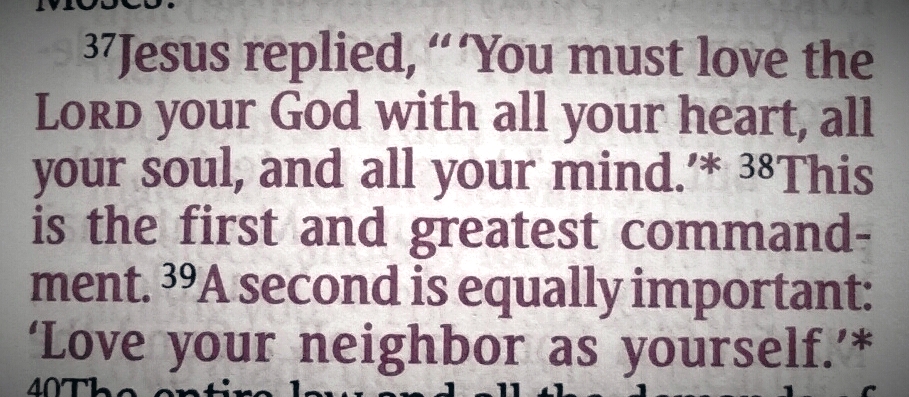
Really…isn’t that just it? God calls us to love him and one another. Period.


verse


We are not called to feel poorly because our house isn’t just the way we want it or our kid doesn’t have all of the bells and whistles that seemingly everyone else does. We are not called to be caught up in the “stuff” of this world.

We are not called to be the answer to every unfolding drama that comes our way or every problem dropped in our laps. Sure, we are to do our best and take responsibility appropriately, but it needs to be in keeping with our purpose—not derailing us from it.

Just shut the door and teach…and love.

Of course, this doesn’t make the distractions and negatives disappear. We all know better than that. After all, the administration kept right on with their form of educational dodgeball. And bills won’t pay themselves. And crises still come our way. Life will still send us ducking and dodging, but we are hopefully more fulfilled because we keep our focus through it all. (Or at least on most days. Still the realist.)

So for all of us who from time to time feel pummeled by the world around us, I hope you are able to do your own version of shutting the door and teaching…of remembering your calling and keeping those that have a habit of putting obstacles in your way in their proper place.

Remember what you came for…and then do it.

Selfie-ish

We used to call them selfers in my family. They were the photos that you took when no one was around to help you out and take one for you. We have selfers of being in Hawaii, at the Grand Canyon—places that you went and wanted to have a photo to remember that you were there.

And because back in the dark ages before digital we used to send our film out to get developed, we would have to wait (?!) to see how well we framed the shot. Often heads would be cut off or the shot would pretty much be one looking up everyone’s nostrils. It definitely was not a precise science but a fun gamble to see what you ended up with.


Being silly in Hawaii with our groovy underwater camera


We’ve gone from having to drive up to a Fotomat (remember those? They were those little house-like kiosks that you’d drop off and pick up your film from?) and wait days to view our photos, to having it immediately available to see. I remember when I used to have to pay attention to how many shots I had left on my roll—now I can click till my heart’s content.


Oh, look! We came up for air!


As I looked back through my photo albums (also a pre-digital reality for me…) to see what selfers I might have to share for this post, it was interesting to see the evolution. When I went to Europe after I graduated college, there is not a single photo of my friend that I traveled with and me together. Zero. There are a few pics of us alone—at the railing of the Eiffel Tower, on the Piazza San Marco in Venice—but not a single one of us together. As I looked in albums of later years, I found an occasional selfer typically taken on a vacation.


northwoods
Too bad the kid wasn’t cooperating. At least the dog was.


Hard to imagine in this age of the selfie, isn’t it?

Yes, as we are all well aware, the word evolved into selfie, and when most people—thanks to their cell phones—carried a camera everywhere with them, the prevalence and reasons to take a selfie evolved, too. And then phones started to have front-facing cameras for you to see the framing as you took the pic! Look out, world! The phenomenon blew up.

Coinciding with this easy ability to snap selfies was the evolution of social media. With a couple touches of the screen, you can share a pic in any number of places instantaneously. For many, Facebook is their modern day photo album—a place to house all sorts of photos—including selfies.


ND game
Yep, I shared this on Facebook while I was freezing my hm-hms off at an ND game.


There’s a lot of freedom granted us in the digital world. And with this freedom comes the opportunity to make some, shall we say interesting choices.

We are definitely a culture of instant gratification, but there’s also a shift in mindset, too. Now we have congressmen and NFL stars taking pics of their peeps to send to whomever. We have kids in middle school doing the same. In fact, we have apps like Snapchat where a person can send a photo and have it “disappear” after viewing (unless the recipient takes a screenshot).

I guess that speaks to the quantity and quality of what is actually being sent. If you want a photo to disappear (even though it risks getting captured and saved), then…what is it that you are sending?

I remember when my college roommate took a surprise photo of me in the shower. Let’s just say I was less than thrilled. I made her give me the photo and the negative when she got them developed, but even knowing the guy at the Kodak store could see the photo creeped me out. Now women sext to guys just trying to get them interested in going on a date.

The selfie culture is so ubiquitous that there’s a new TV show coming out this fall with that as its name. (It’s actually supposed to be a remake of My Fair Lady. Wha??)

Don’t get me wrong—I’m not coming down on the concept of selfies—I have taken plenty and still get a kick out of them (as evidenced by the photos here). But I do wonder what the impact of this focus on self means in our society. Our desire to capture ourselves for others to see can be funny or interesting, for sure…but it also can be rather self-involved.

I really do wish that there were a few photos of my friend and me on our European expedition. They would have been nice keepsakes to have. But the photos I do have from that trip show the beauty of what we experienced. A far cry from the recent “news” story about Kim Kardasian being in Thailand and snapping 1200 selfies. I’m thinking that she just may have missed the beauty of Thailand, don’t you?

I do feel a bit sheepish—or selfie-indulgent—in sharing the photos I have in this post, but I wanted to share a few old school selfers. It does feel very “look at me!” though. Hope it doesn’t strike you as Kardasian in any way.

That’s just a tad too selfie-ish for my liking.

I Got This. Not. (Aka: Don’t Miss the Bus)

On my very first day of high school, I missed the bus.

Not that big of a deal, right? But it was. That one experience fed on my anxiety and planted a seed that grew a fear of missing any public transportation. Silly, I know, but very real. No matter if I’m catching a train, plane, or bus—until I’m actually on it, I have an internal twitch of dread that I will miss it.

All because of my first day of high school.

You see, I went to a grade school that had no buses, so this wasn’t just my first school bus to high school, but my first school bus ever.


IHC school bus
Bernd Moehle via Wikimedia Commons

Though starting in a new school is intimidating, I was pretty sure I was properly prepared. In particular, I studied my bus instructions—where the stop was and the number I needed to know. Bus 107. I got this, I thought. (Of course, that expression hadn’t been “invented” yet, so more likely I thought to myself, “Don’t be such a spaz” or “Duh,” but the sentiment was the same.)

That morning, my dad asked, “Are you sure about the bus?”

“Dad, I know what I’m doing…” (Uh-huh, sure you do.)

“Okay, great. Just let me know if you need anything.” (Don’t go far, Dad—I’m going to need to take you up on that offer shortly.)

And off I went.

There I was, standing on the corner I was supposed to, at the time I was supposed to, and within a few minutes, a bus drove by. The bus driver slowed down and called out, “Are you going to Lake Park?”

Isn’t this setting up to be a successful little scenario? After all, Lake Park was my high school! But there was something that wasn’t right. The bus number wasn’t 107, and I was supposed to be on bus 107. My mind quickly jumped to a conclusion—our school had two different campuses—East and West, and my campus was East so this bus must be headed to West! (Not exactly an Einstein in the making since classes at West started at least a half hour earlier than East.)

“Yes, but East!” I shouted back to him. He gave me a look of knitted brows and gestured with his hand up to his ear letting me know he couldn’t quite hear over the engine, so I just waved at him to keep going…he smiled, shrugged, and off he drove.


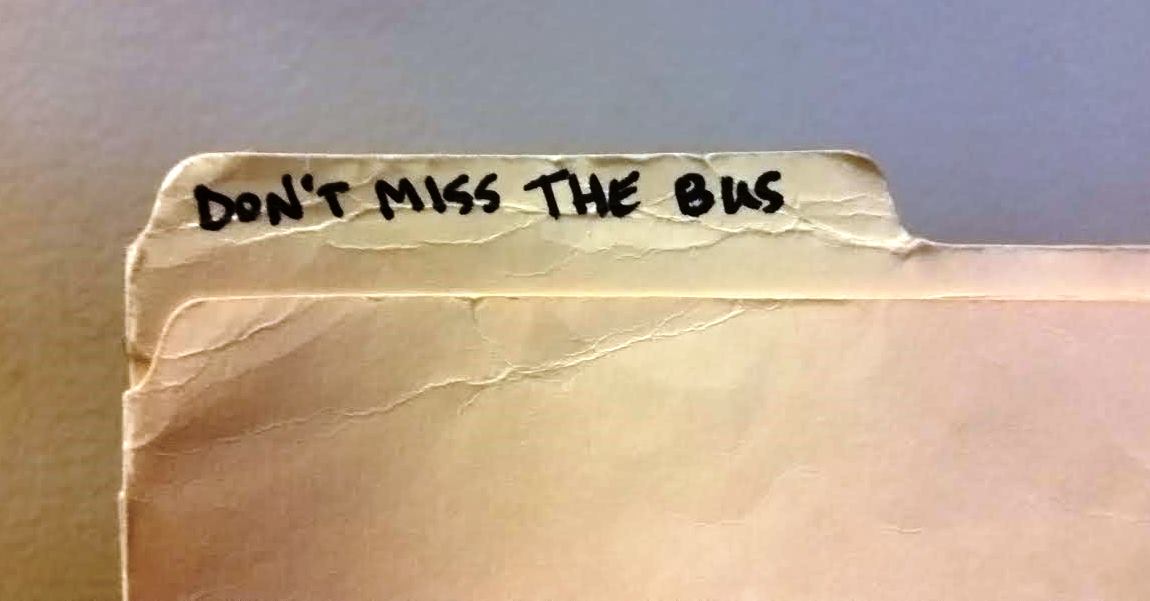
file


And then I waited. And waited…And waited.

No more buses came down the street.

Time was running out, and I was risking being late to my first day of high school. I walked back home with tears welling up…How was high school going to be okay if I couldn’t even successfully catch the bus?! I felt remarkably stupid.

I walked into my house where my dad hadn’t yet left for work and was surprised to see me (since I knew what I was doing and all)—by that point I was pretty much sobbing. “Babe, what’s wrong?!”

“I missed the bus, Dad! I couldn’t even get on the bus! I don’t know what happened…some bus came by but it was the wrong num…” he cut me off with a “shhh” and a hug, reassuring me that everything was going to be all right. He’d drive me today, and we would figure out where the problem was for tomorrow.


comp


And that’s exactly what we did. I was on time to school (thank God bus routes are long), and other than that, my high school career began without a hitch. But not without an emotional scar.

Do you want to know the answer to the bus mystery? It’s simple: I thought I was supposed to get on bus 107, but I was really scheduled for route 107. Which is exactly the route that the kind bus driver was driving when he called out to me. As a newbie, I didn’t know that the number of the actual bus meant nothing—but the route number in the window sure did.

Maybe if I would have reviewed the information with my dad when he asked, he could have caught my mistake. Maybe if I wouldn’t have been so quick to think I knew the answer when the bus driver was talking to me and instead asked for help, I would have been on my merry way. Maybe if I wasn’t so ready to show everyone that I knew what I was doing…I might have actually learned what I really needed to know.


yellow post it note with tack isolated on white


Instead, throughout high school I had countless anxiety dreams of missing the bus, or catching the bus but seeing my backpack left behind on the curb, or running after the bus that was going too fast for me to catch, or trying to get on the bus but the bus doors wouldn’t open…you get the idea. The anxiety dragon feasts on these kinds of episodes.

I never missed the bus after that day, but it only took that one time to engrain in me the knee-jerk fear of it ever happening again. It’s a fear that stays with me still today. (Ask my husband how fun it is.)

Of course, as with all trials that come our way, it’s best to try and learn something from them. Yes, I did get a lifetime of public transportation anxiety, but I realized, too, that I shouldn’t be so quick to think I know what I’m talking about—an ever-evolving lesson for me.

Yes, I missed the bus that day in more ways than one, but you better believe it taught me to know life’s route numbers!

It’s Time to Move Mountains

My thoughts here are a bit passionately swirled, so please bear with me.

When people talk when they don’t know what they’re talking about—and not just talk, but judge—I have a problem with that. A big problem. I’ve been feeling it pretty strongly this week with the death of Robin Williams.


Robin Williams (6451545105)
Photo by Eva Rinaldi, via Wikimedia Commons


I, along with so many others, was devastated to learn of Williams’ suicide. The one glimmer of hope I felt in his passing was that maybe it would shed better light on mental illness. After all, if a man seemingly so full of joy could take his own life…depression must be real, right? And, thankfully, I have heard some good conversations started because of it. But it’s also brought to light some stunningly insensitive opinions on the topic, as well—most notably (at least for me) the comments made by rocker Gene Simmons. Simmons has since tried to renege on his comments, but I find even those words exasperating.

That kind of stuff feels like a kick in the gut to me.

Back when I taught high school, I went to a student’s funeral who committed suicide. The semester had just started, so I didn’t really get to know her, but I really wish I had had the chance to…What I did see was that she was quiet, sweet, and thoughtful. And she totally mattered. The world lost out when she decided to leave it.

According to Mr. Simmons, though, she had some “dignity” when she killed herself. Granted, his comments are on the far end of the spectrum. While his words are easy for most of us to dismiss as outrageous, there are other responses that, while not so blatantly offensive, still show a lack of understanding when it comes to mental illness.

As I shared in Beautifully Broken, I cope with depression and anxiety. It runs in my family, and it has definitely left its mark. Though my struggles have not brought me to the brink, I understand how the thief that is depression can steal your hope and bring you to dark places that on a good day you could never imagine.

I don’t pretend to know much about depression, but at least I know I don’t know. And I do know that whatever other people are going through, my best response is to listen and care.

I know that mental illness is an illness…and not just people being electively “crazy.” I know that there are people who would never say “get over it” to someone who has cancer or heart disease, but don’t hold mental illness in the same category. Yet it is.

I’ve heard from the pulpit how if we just “turn toward God” we wouldn’t need prescription drugs. I’ve seen people forego seeking help because they have been told to pray harder. Read more scripture. And while I truly believe that all of those things are important, I know that that kind of attitude from members of the clergy does an injustice—and actual damage—to people who are suffering.

There is no shame in illnesses like Multiple Sclerosis or asthma—or any other type of illness—and there shouldn’t be in mental illness, either. Jesus healed all types of sickness with his loving touch. I missed the part in scripture where he dismisses anyone’s hurts or tells them to snap out of it.

Is it possible that some doctors wrongfully prescribe antidepressants to people? Why, yes—in fact I believe that myself because I know people who have had a two-minute chat with a doctor who was then ready to write a prescription. Is there more research to be done on the effectiveness of these kinds of medications? Absolutely. But that doesn’t negate the reality that for many people, these drugs are both a life-saver and giver.


meds


Meds work for some people and not for others. Psychotherapy works for some and not for others. Some people need both. For some, other treatments like electroshock therapy bring relief. Mental illness is not a one-trick pony.

And our response to it should not be to judge or to fix. Please don’t assume you know people’s brokenness—how they got broken, how they need to “fix” it, or what they are doing “wrong.”

As with all the rest of life, if we just tried to understand and care for one another…to have empathy for another’s experience…we could move mountains.

So let’s push to remove the stigma of mental illness. Let’s make it so that people who need help aren’t afraid of being seen as “less than” and instead feel safe to seek help as soon as they realize they need it. Let’s not judge the battles of those whose shoes we have not walked in. Let’s understand that this type of illness can hit anyone at any time, and the sooner we make these kinds of changes, the better for the whole world.

Let’s move mountains.


If you or someone you know is considering suicide, please seek help immediately. Don’t question whether or not you should seek help—just do it. The American Suicide Prevention Hotline can be found here, and here is a list of international suicide crisis hotlines

Part 2—Can We Crack the Culture of Overwhelm?

In last week’s post, I hit on a few key points from Brigid Schulte’s New York Times bestseller, Overwhelmed—Work, Love, and Play When No One Has the Time that touched on why so many of us feel overwhelmed. This week, I’m focusing on some key strategies that will help “crack the culture” of why we feel this way.

Before I go any further, though, I want to take a moment to clarify something. This book is about helping both women and men make better choices for a more fulfilling life. There is no bias against either gender—just an examination of what is and why, and then ways to help everyone make better use of their time. Translation: Men, this book is worth reading for you, too.

I want to offer some takeaways for you to chew on right now, but I can’t stress enough how worthwhile it is to read the entire book. And as I said in last week’s post, this is not a paid endorsement. I just want to share some of what I found so valuable and maybe motivate you to do your own thinking and searching…and changing.

So…where to begin? As the title suggests, the book is broken down into the three areas of work, love, and play, and Schulte examines and offers help in each.

Apparently I can’t be that structured today, so…in no particular order…the takeaways…

Find your pulse—I keep thinking that if only I had large blocks of uninterrupted time to focus, I would be much more productive…but we aren’t actually built that way. There is a rhythm—a pulse—to our lives. We inhale…and exhale. And we need to spend time working…and recovering. It’s how we will do our best work. Schulte shares research that shows that working in 90-minute stretches and then getting up and shifting gears entirely for a short period of time will greatly increase productivity. Find the pulse that works for you.

Choose your priorities—figure out what’s truly important to you and then live your life accordingly. Realign your time to focus on those choices. If you were to pick only a few things to focus on, what would they be? For instance, if spending time with your family was one of them, does your time focus reflect that?


priorities


Push yourself to play more—active play is actually a necessity for your brain. By giving yourself leisure time—time to explore, laugh, try something new—you are allowing your brain to reenergize and function better. Both historically and currently, women need more help than men in this area. We all need leisure time—and we don’t have to earn it first. Do not feel guilty about making time to have fun. If we can knock that stigma off its ridiculous high horse, we will lead healthier lives.


Yeah, that's me surfing
Yeah, that’s me surfing


Denmark isn’t rotten after all—Schulte spent some time there learning what the Danish culture can offer those of us who are struggling with overwhelm. Let’s just say it is indeed a world away from American culture. The government there offers excellent formal child care, awesome paid parental leave, six weeks paid vacation…you get the idea. In Denmark, every day is meant to be lived well. You don’t live to work, you work to live. So…what if you don’t live in Denmark?

I concluded that while I don’t have the governmental realities of Denmark, I could still strive for my own private Denmark. What does that mean? As Schulte illustrates, gender roles there are very egalitarian. Women and men share responsibility in work, care of the home, and the raising of children. Work is necessary but not everything, and life shouldn’t be consumed with it. I know I am blessed that my husband already sees our marriage as a team, so our goal is to make it be even more that way. When that happens, both partners win. There is also the Danish idea of hygge, which is a lovely approach to life—and something that you can create wherever you live. (Learn more about hygge here.)

On parenting—Yes, this is the generation of the “helicopter parent” as well as the over-achieving parent. We are not doing our kids any favors by giving them so much or doing so much for them. I just love this piece of wisdom that Schulte shares from Kathy Masarie: “Love your kids. Keep them safe. Accept them as they are. Then get out of their way.” Parenting in a nutshell.

On mothers—Mothers need to stop making it so hard for themselves and each other. Stop the cult of “intensive mothering” and stop judging women—including yourself. Support each other rather than compete with one another.

On fathers—Fathers need to be connected from the very beginning to climb out of this culture of overwhelm. Schulte offers some wonderful insight about how important it is for dads to bond with their newborns—creating a foundation for lifelong engagement—and how too often gender roles get solidified when dads can do just as much as moms—and need to. One of the keys for this to happen is that new moms need to give new dads a chance to engage fully—not scoop the baby as soon as it fusses in dad’s arms.

And, finally…


hibiscus


Be still—pause. In the midst of the racing, remember to stop. Breathe. Remember the beauty of the small moments. Remember that life is short and this is all we have.


clock of life


I hope these ideas I’ve shared from Schulte’s book get you thinking about some changes you can make. I know not all of us are married or have kids, and a lot of the content seems to focus on those “traditional” roles, but no matter where you are in life, you can strive to stop the merry-go-round of overwhelm that so many of us are riding and learn to live a more fulfilled life.

Of course, that having been said, as I write this I am mired in a day of overwhelm. But I am making progress. Every revolution starts with a first step, right?